
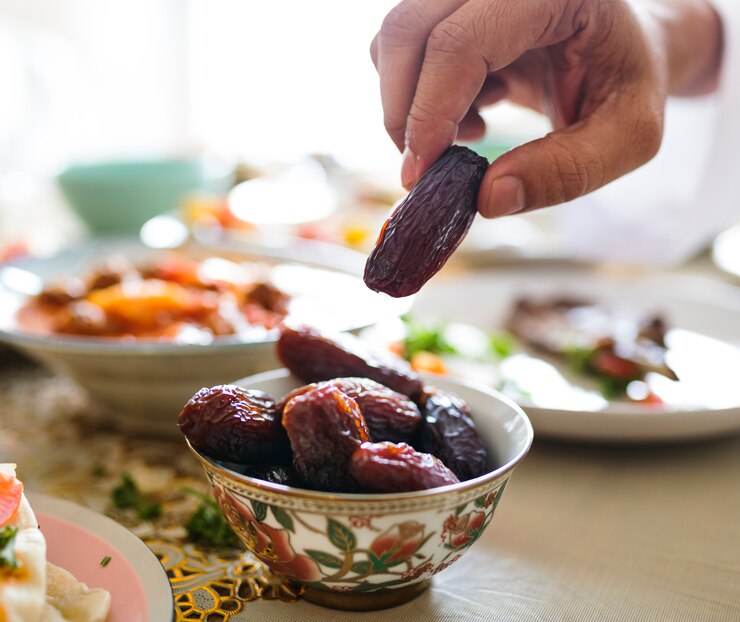
Introduction to Health Benefits of khajoor (Dates)
Ramadan is a time of spiritual reflection, fasting, and community. For millions of Muslims around the world, breaking the fast with khajoor (dates) is a cherished tradition. But did you know that this sweet, nutrient-packed fruit offers more than just a delicious way to break your fast? In this blog post, we’ll explore 10 surprising health benefits of eating khajoor during Ramadan and why they should be a staple on your Iftar table.
1. Instant Energy Boost

After a long day of fasting, your body needs a quick source of energy to replenish its glucose levels. Khajoor is rich in natural sugars like glucose, fructose, and sucrose, which provide an instant energy boost. This makes it the perfect food to break your fast and prepare your body for the evening meal.
2. Improves Digestion
Dates are packed with dietary fiber, which aids in digestion and prevents constipation—a common issue during Ramadan due to changes in eating patterns. Eating khajoor at Iftar can help regulate your digestive system and keep you feeling light and comfortable.
3. Rich in Essential Nutrients
Khajoor is a powerhouse of essential vitamins and minerals, including potassium, magnesium, vitamin B6, and iron. These nutrients support overall health, boost immunity, and help maintain energy levels throughout the day.
4. Supports Heart Health
Dates are known to promote heart health by reducing bad cholesterol (LDL) and increasing good cholesterol (HDL). The potassium in khajoor also helps regulate blood pressure, making it a heart-friendly choice for Ramadan.
5. Regulates Blood Sugar Levels
Contrary to popular belief, dates have a low glycemic index (GI), which means they release sugar slowly into the bloodstream. This helps prevent sudden spikes in blood sugar levels, making khajoor a safe and healthy option for people with diabetes when consumed in moderation.
6. Strengthens Bones
Khajoor is a good source of calcium and phosphorus, two minerals essential for maintaining strong and healthy bones. Including dates in your Ramadan diet can help prevent bone-related issues like osteoporosis.
7. Boosts Brain Function
Dates are rich in antioxidants that protect brain cells from oxidative stress and inflammation. They also contain choline and vitamin B6, which are known to improve cognitive function and memory—perfect for staying sharp during long days of fasting.
8. Aids in Weight Management
Despite being sweet, khajoor can actually help with weight management. The fiber in dates keeps you feeling full for longer, reducing the urge to overeat during Iftar. Plus, their natural sweetness can satisfy sugar cravings in a healthy way.
9. Promotes Skin Health
The vitamin C and antioxidants in khajoor help fight free radicals, reducing signs of aging and promoting glowing skin. Eating dates during Ramadan can help you maintain healthy, radiant skin even during long hours of fasting.
10. Enhances Immunity
Dates are packed with immune-boosting nutrients like zinc, selenium, and vitamin C. Including khajoor in your Ramadan diet can help strengthen your immune system and protect you from common illnesses.
Conclusion
Khajoor is more than just a traditional food for Ramadan—it’s a nutritional powerhouse that offers countless health benefits. From boosting energy to improving digestion and supporting heart health, dates are the perfect addition to your Iftar table. This Ramadan, make sure to stock up on premium khajoor from [Your Brand Name] and experience the difference in taste and quality.